Sector HighlightsFood & Beverage Processing
Ensuring uncompromising food safety, extending shelf life & seamlessly meeting 'zero-residue' regulatory mandates.
Advancing Sustainability in Food & Beverage Processing
Peracetic Acid (PAA) has become the gold standard for antimicrobial intervention in the food and beverage industry. Unlike traditional chlorine-based sanitizers, PAA is highly effective across a wide range of temperatures and in the presence of organic matter. Most importantly, it decomposes into safe byproducts — water, oxygen, and acetic acid — leaving no toxic residues on food surfaces.
K.D. Incorporation provides specialized stabilized PAA formulations that help food processors maintain peak hygiene standards while reducing water and energy consumption. From primary production in meat and poultry to high-speed aseptic beverage filling, our solutions are engineered for safety, compliance, and industrial efficiency.
Technical Commitments
Residue-Free
Breaks down into water, oxygen & vinegar.
Broad Efficacy
Sporicidal, virucidal & bactericidal.
Cold Action
Maintains potency at low temperatures.
Regulatory Tech
Full TDS/SDS support for audit trails.
Core Applications
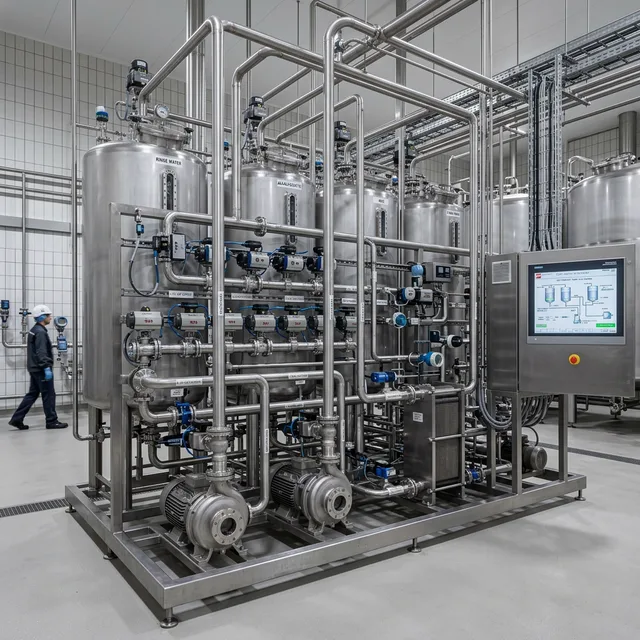
Serving as the gold standard for dairy, beverage & food CIP systems, PAA is typically dosed at 80–150 ppm (at temperatures between 0°C and 40°C). As a non-foaming, no-rinse sanitizer, it yields massive thermal energy savings and actively dissolves milk-stone and mineral scale. Crucially, PAA entirely eliminates the risk of chloro phenol formation—the chemical culprit behind 'cork taint' and medicinal off-flavors in beer, wine & dairy—a persistent liability of legacy chlorine sanitizers.
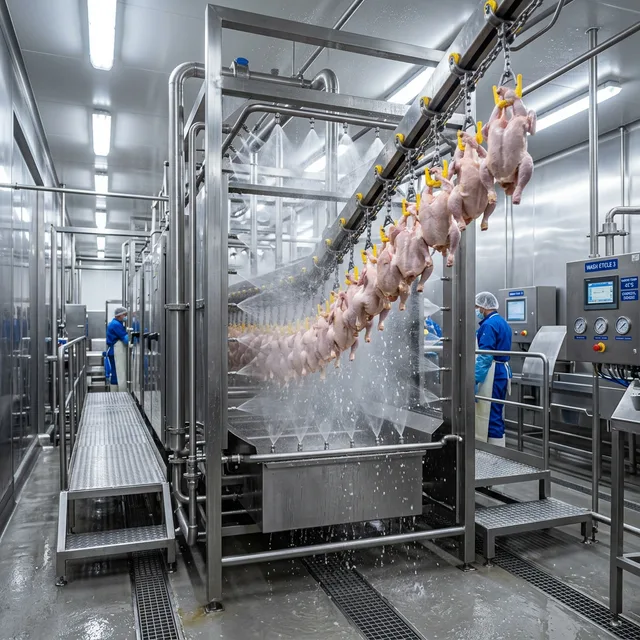
Sprayed directly into primary chill-water tanks, dip tanks & On-Line Reprocessing (OLR) systems. Under USDA-FSIS regulations and FDA Food Contact Notifications (FCNs), PAA is permitted up to 2,000 ppm for poultry carcasses and 1,200 ppm for red meat to aggressively eradicate Salmonella, E. coli (STEC) & Campylobacter. Decay kinetic studies confirm that even at 2,000 ppm, PAA decomposes into trace water and acetic acid within 30 minutes, cleanly fulfilling strict export mandates.
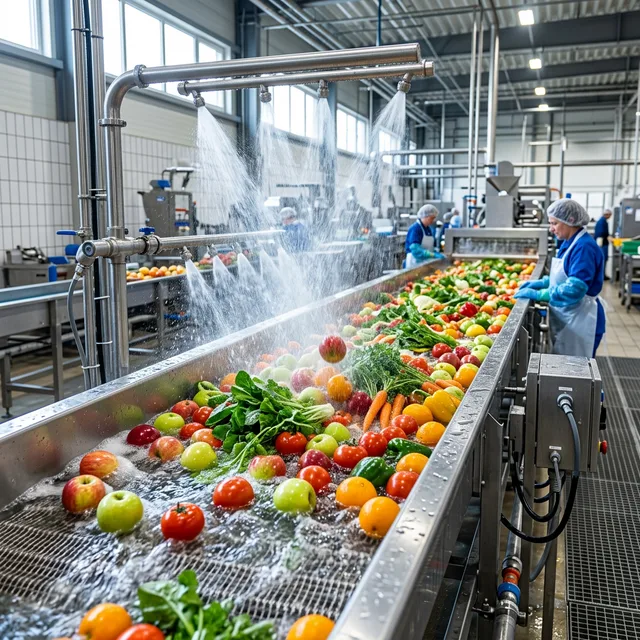
Submersion and flume tanks utilize tightly monitored solutions of up to 80 ppm (the FDA maximum for no-rinse produce) or exceeding 350 ppm (followed by a potable rinse) to significantly mitigate Listeria. PAA has largely ousted chlorine in this sector because it does not react with high-organic-load sap or soil to form toxic, carcinogenic DBPs like trihalomethanes (THMs). Furthermore, it is fully OMRI-listed for certified organic agriculture.
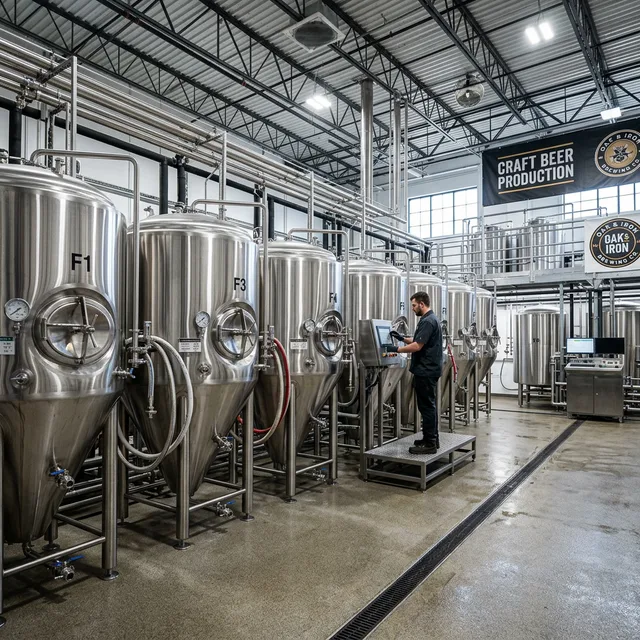
Beyond sanitizing stainless fermentation tanks and oak barrels, PAA is uniquely suited for washing harvested yeast slurries. By acidifying the slurry to a pH of 2.2–2.8, PAA selectively oxidizes wild spoilage yeasts (Brettanomyces) and lactic acid bacteria (Pediococcus, Lactobacillus) while preserving the vitality and fermentation kinetics of the core Saccharomyces brewing yeast.
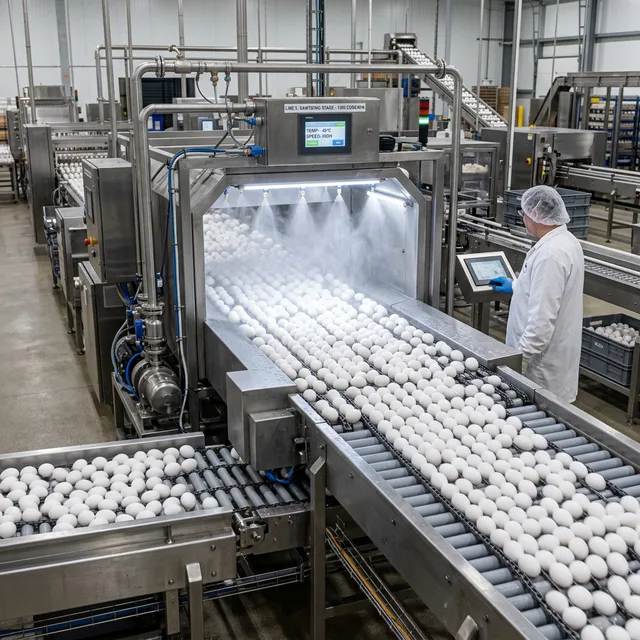
High-speed wash cabinets deploy antimicrobial PAA sprays (up to 2,000 ppm) to destroy fecal bacteria on intact shell eggs, as well as hard-boiled, peeled eggs. This high-efficacy treatment guarantees microbiological safety without penetrating or degrading the egg’s natural protective protein cuticle.
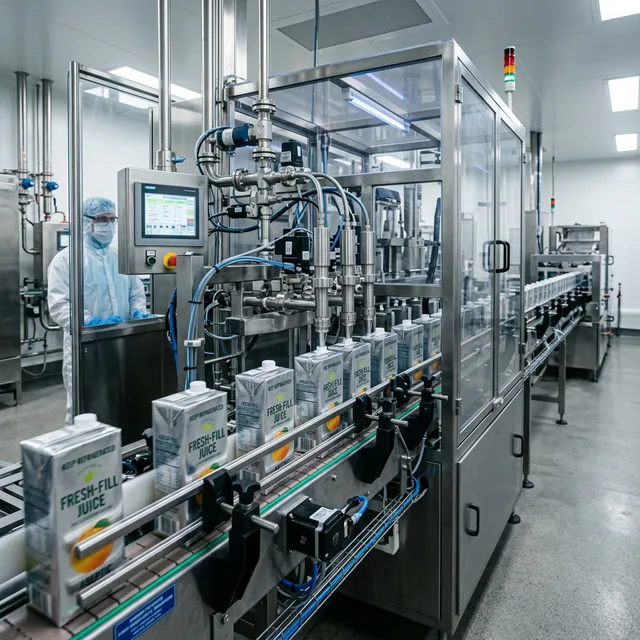
Acting as a vital 'cold sterilant,' PAA is flash-vaporized at 60°C–65°C at concentrations exceeding 4,000 ppm. This instantaneously sterilizes heat-sensitive PET bottles and foil cartons in fractions of a second (achieving a >6-log reduction of resilient Bacillus subtilis spores). It is an absolute necessity for ultra-high-speed, shelf-stable filling lines operating at capacities of up to 65,000 bottles per hour.
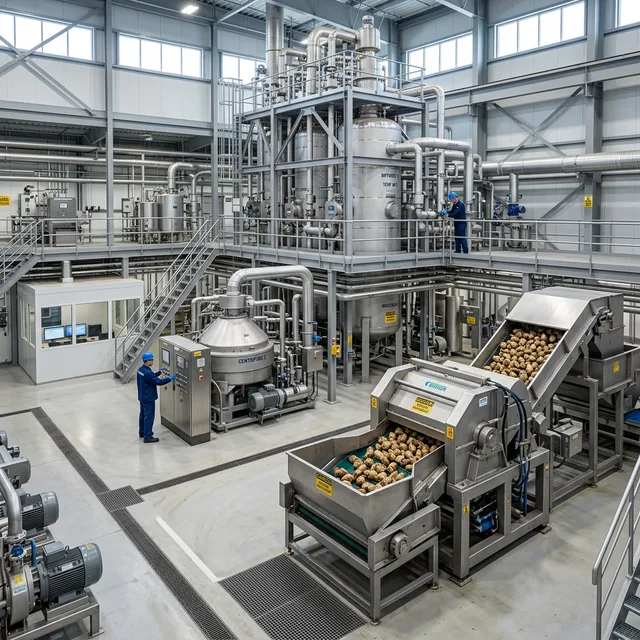
Dosed to halt the unwanted bacterial fermentation of sucrose. In sugar beet milling, PAA precisely targets dextran-producing Leuconostoc bacteria, preventing severe viscosity bottlenecks, equipment fouling & massive sucrose yield losses.
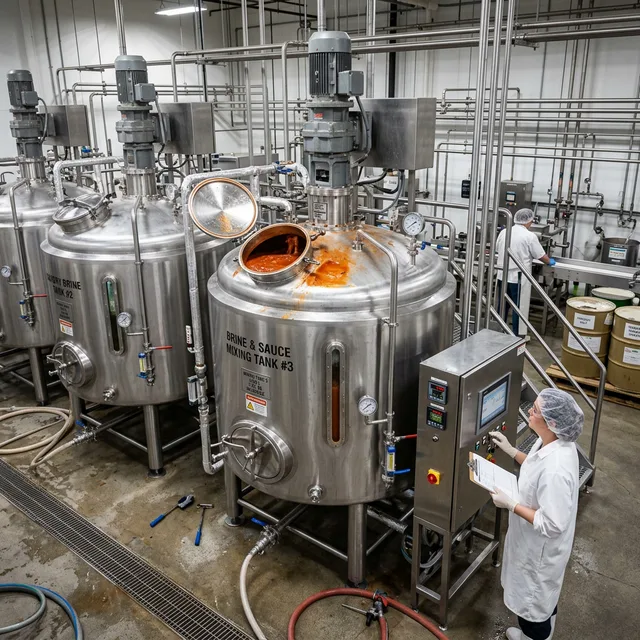
FDA-approved at up to 50 ppm for direct injection or surface application on processed and unprocessed meats. By sanitizing reusable brines and marinades, it drastically reduces wastewater discharge and halts cross-contamination while perfectly preserving the food's organoleptic profile (taste, texture & aroma).
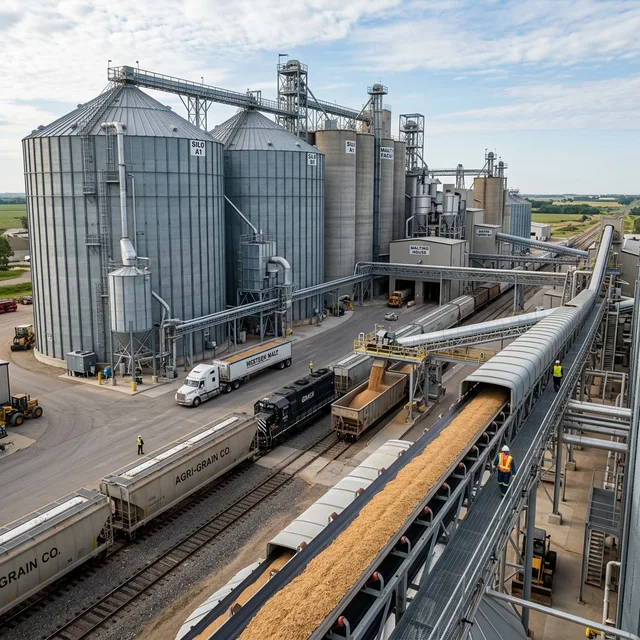
Permitted at high levels during the tempering of wheat, corn & brewing barley to eradicate Fusarium fungi. This targeted oxidation prevents the synthesis of highly regulated deoxynivalenol (DON) mycotoxins and demonstrably boosts overall seed germination vigor.
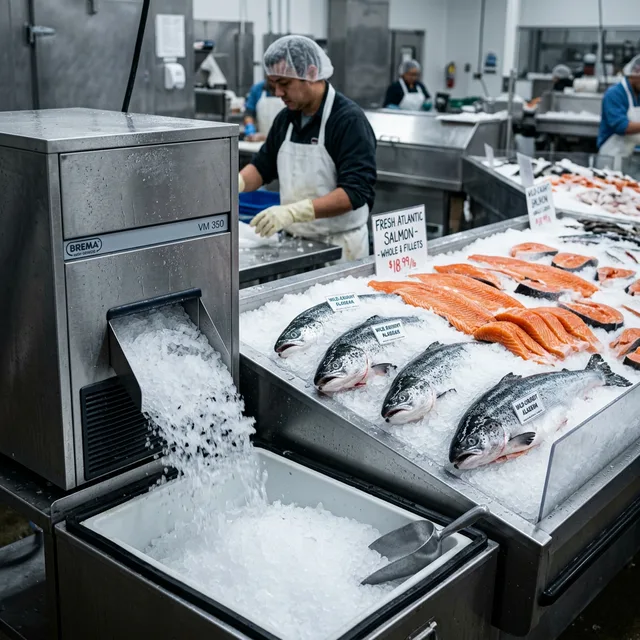
Cycled through commercial ice flakers to prevent Listeria and 'pink slime' (Serratia marcescens) biofilm buildup in sub-freezing water lines. Furthermore, whole seafood catches are glazed in PAA-dosed ice, which actively inhibits the formation of volatile basic nitrogen (the source of 'fishy' odors) during transit, locking in optimal catch-day freshness.
Optimize Your
Industrial Cycle
We engineer bespoke PAA formulations for complex industrial challenges.