Sector HighlightsWater, Wastewater & Environmental
Meeting strict environmental discharge limits through residue-free, targeted oxidation.
Advancing Sustainability in Water, Wastewater & Environmental
Peracetic Acid is revolutionizing the environmental engineering sector by providing a high-performance, eco-friendly alternative to chlorine-based disinfection. Because it produces no toxic Disinfection Byproducts (DBPs) like trihalomethanes, it is the chemistry of choice for modern municipal discharge and industrial reuse.
Whether for municipal effluent disinfection or advanced oxidation processes aimed at destroying emerging contaminants, K.D. Incorporation's PAA solutions meet the most stringent environmental compliance standards.
Technical Commitments
Residue-Free
Breaks down into water, oxygen & vinegar.
Broad Efficacy
Sporicidal, virucidal & bactericidal.
Cold Action
Maintains potency at low temperatures.
Regulatory Tech
Full TDS/SDS support for audit trails.
Core Applications
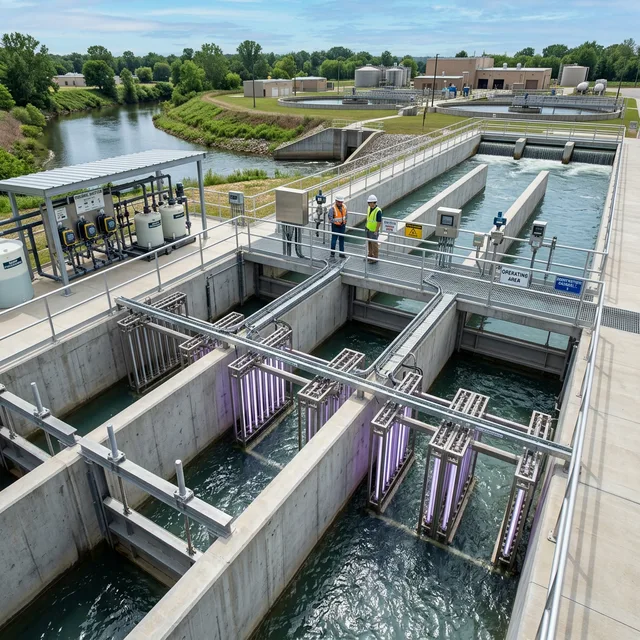
A 'greener' terminal disinfectant effectively replacing hazardous chlorine gas. A standard dose of 0.5–2.0 mg/L with a short 15–30 minute contact time achieves a 4–5 log reduction in fecal coliforms. Easily tracked via Standard Method 4500-PAA for NPDES permit compliance, it entirely eliminates the need for toxic, costly secondary sulfur-dioxide dechlorination steps.
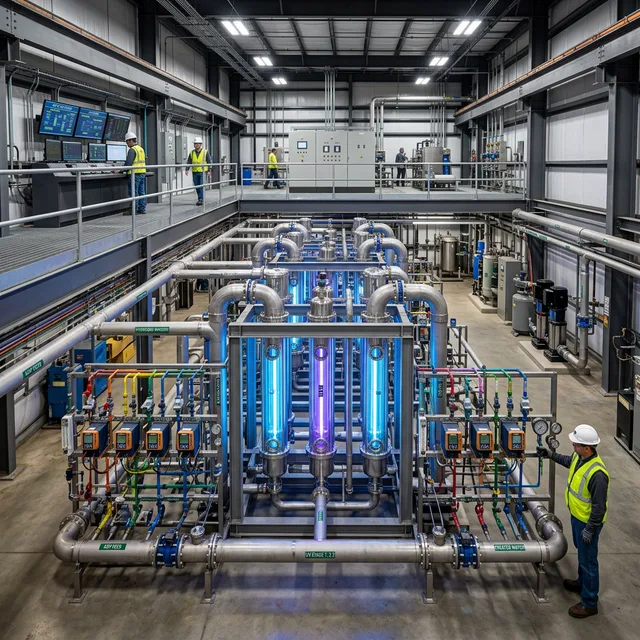
In advanced municipal water recycling systems, PAA is paired with UV light or transition metals (iron/cobalt) to spawn highly reactive hydroxyl (OH•) and acetyloxy (CH3CO2•) radicals. This photolytic cleavage aggressively destroys refractory 'forever' contaminants, endocrine disruptors & pharmaceutical residues (e.g., Bisphenol A, antibiotics).
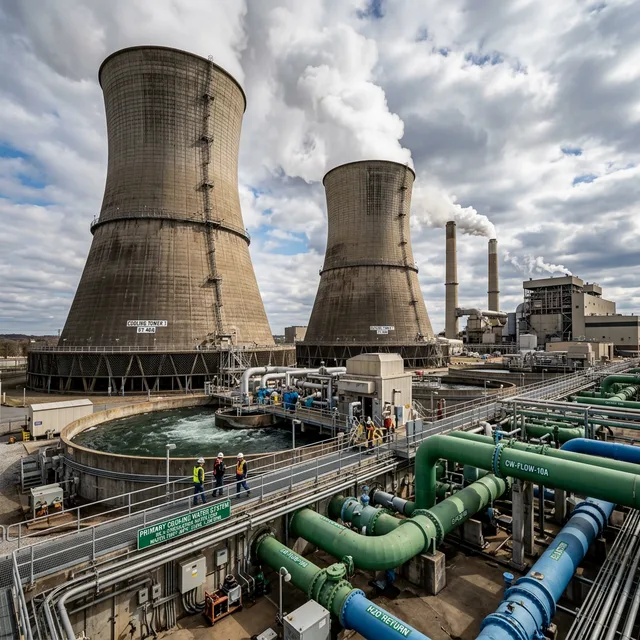
Shock-dosed to eradicate Legionella pneumophila. PAA retains peak biocidal efficacy in the highly alkaline conditions (pH 7.5–9.0) typical of heavily cycled cooling water—a threshold where traditional chlorine's efficacy plummets.
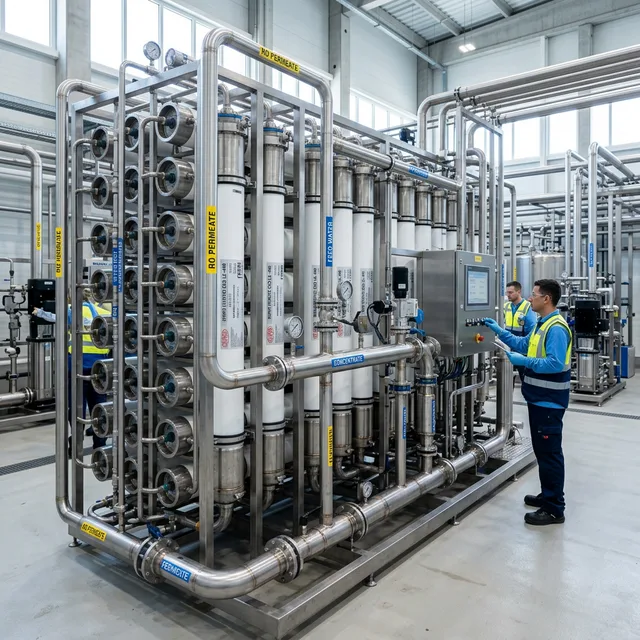
Dilute blends (~0.1%) safely sanitize delicate thin-film composite (TFC) RO membranes. Crucial Operational Constraint: Operators must execute a low-pH acid wash first to strip iron/transition metal deposits and maintain temperatures strictly <25°C. Failure to do so initiates a volatile Fenton-type reaction that can irreversibly burn and melt the membrane polymers.
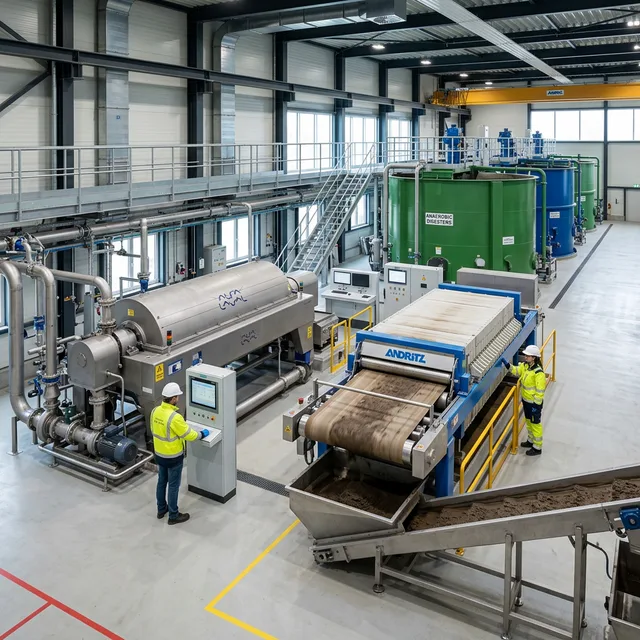
Applied directly to municipal sludge to suppress hydrogen-sulfide-generating bacteria. This instantly deodorizes the sludge and sharply reduces pathogen counts prior to agricultural land application.

Utilized as an intensive shock treatment (standardized under European DIN protocols) to safely oxidize chloramines—the noxious compounds responsible for 'pool smell' and ocular irritation—without adding cyanuric acid (CYA) stabilizer to the water.
Optimize Your
Industrial Cycle
We engineer bespoke PAA formulations for complex industrial challenges.