Sector HighlightsPulp, Paper, Textiles & Laundry
Driving sustainable manufacturing and closed-loop, low-impact fiber processing.
Advancing Sustainability in Pulp, Paper, Textiles & Laundry
Traditional bleaching processes in the pulp and textile sectors often result in heavy pollution and fiber degradation. Peracetic Acid enables a 'Totally Chlorine Free' (TCF) approach, protecting the environment without sacrificing brightness or strength.
In the commercial laundry sector, PAA allows for high-level disinfection at much lower temperatures than thermal sanitization, significantly extending the life of textiles and reducing carbon footprints.
Technical Commitments
Residue-Free
Breaks down into water, oxygen & vinegar.
Broad Efficacy
Sporicidal, virucidal & bactericidal.
Cold Action
Maintains potency at low temperatures.
Regulatory Tech
Full TDS/SDS support for audit trails.
Core Applications
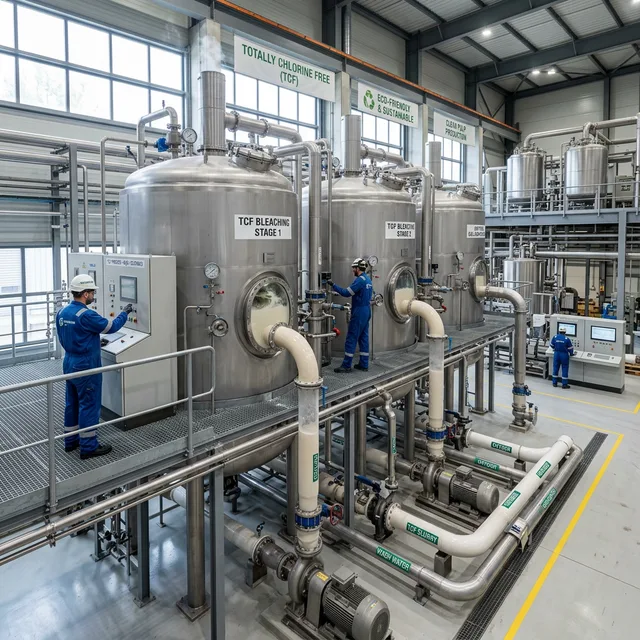
A key enabler of the circular bioeconomy, PAA oxidizes lignin and brightens wood pulp without generating toxic Adsorbable Organic Halides (AOX) pollution. It drastically reduces the Kappa number (lignin content) at lower temperatures (50°C–70°C) and near-neutral pH, saving massive amounts of thermal energy and caustic soda compared to standard peroxide bleaching.
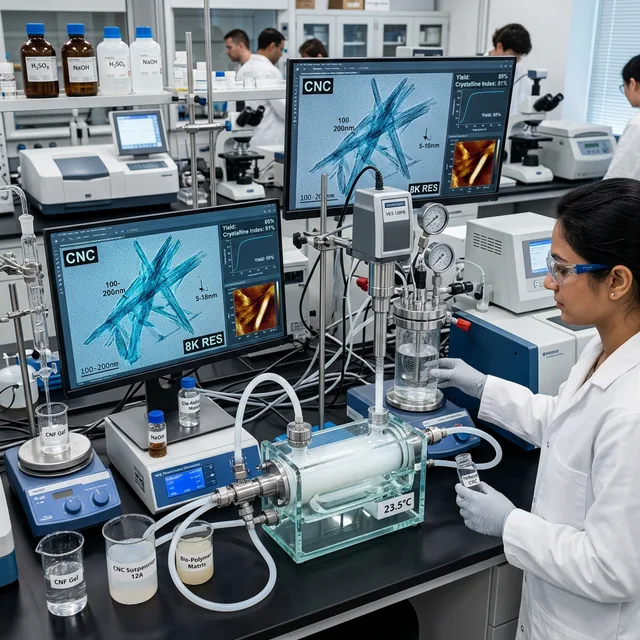
Deployed in TCF pulping for the high-yield isolation of pure Cellulose Nanocrystals (CNCs) from hemp and woody biomass. This gentle oxidative method preserves intrinsic fiber tensile properties, making it ideal for next-generation advanced biopolymer composites.
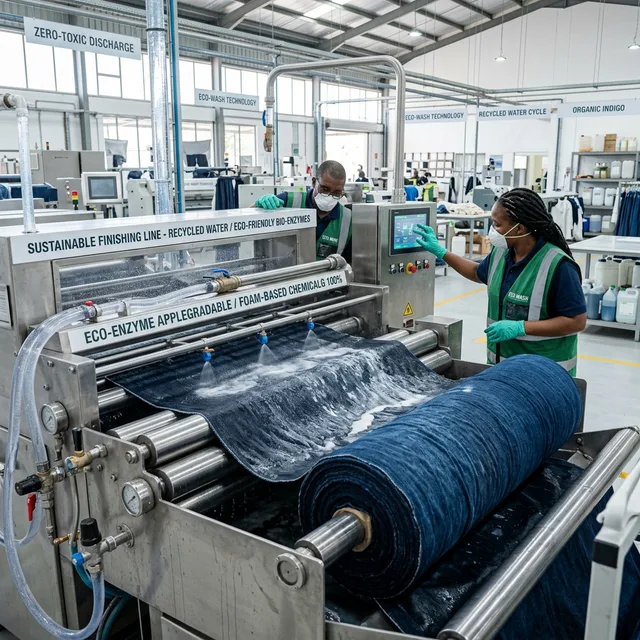
Acts as a safe, sustainable replacement for highly toxic potassium permanganate and abrasive pumice stones in denim 'stone-washing,' offering global fashion brands a zero-toxic-discharge alternative.
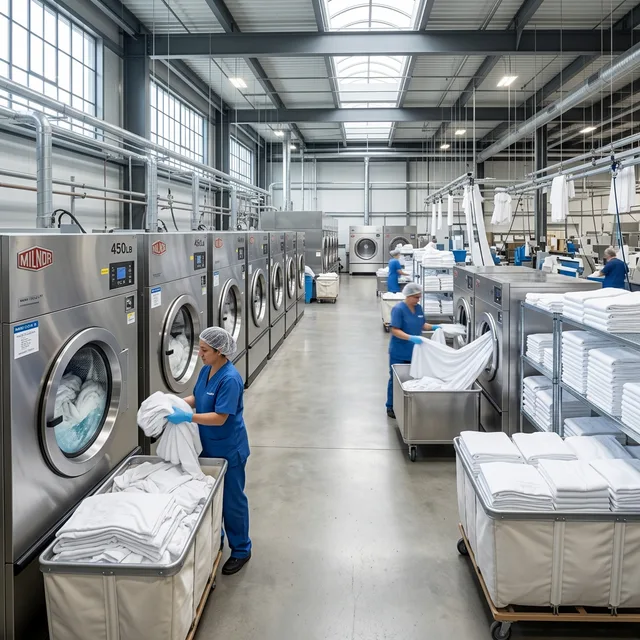
Operating as a high-performance oxidative bleach at low temperatures (30°C–40°C). PAA achieves thermal disinfection on hospital linens and industrial uniforms while causing significantly less tensile strength loss (fiber damage) compared to aggressive sodium hypochlorite bleaching.
Optimize Your
Industrial Cycle
We engineer bespoke PAA formulations for complex industrial challenges.