PAA 30% W/W - 35% W/W
Representing the absolute pinnacle of commercial PAA concentration, this level serves as a feedstock and reagent-grade solution for highly specialized chemical synthesis, epoxidation, large-scale bleaching, and toll blending operations.
Technical Overview
Representing the absolute pinnacle of commercial PAA concentration, this level serves as a feedstock and reagent-grade solution for highly specialized chemical synthesis, epoxidation, large-scale bleaching, and toll blending operations. At 30–35% W/W active strength, it is treated entirely as a highly reactive, hazardous precursor chemical rather than a standard commercial cleaning agent. Consequently, it is exclusively sold B2B to industrial formulators and chemical manufacturers where robust downstream dilution or synthesis is structurally required.
Core Advantages
Industrial Scope
Common Applications
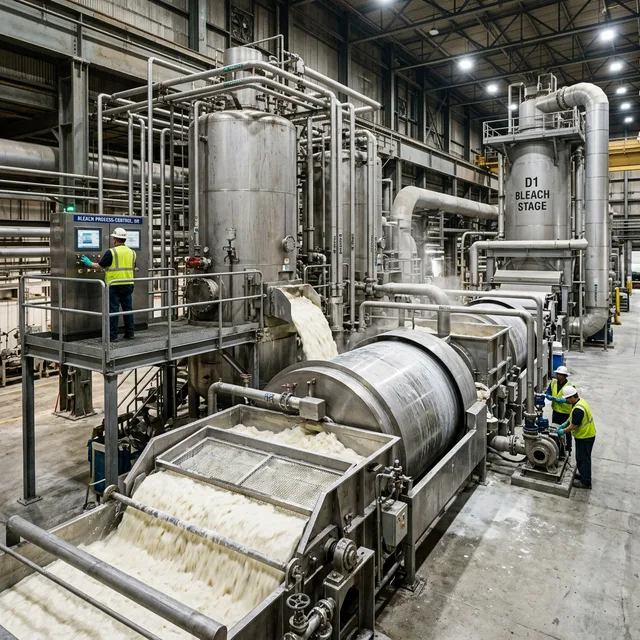
Heavy Industrial Bleaching
Leveraged for heavy-duty textile and pulp bleaching operations where extremely robust, aggressive oxidation is mandatory.
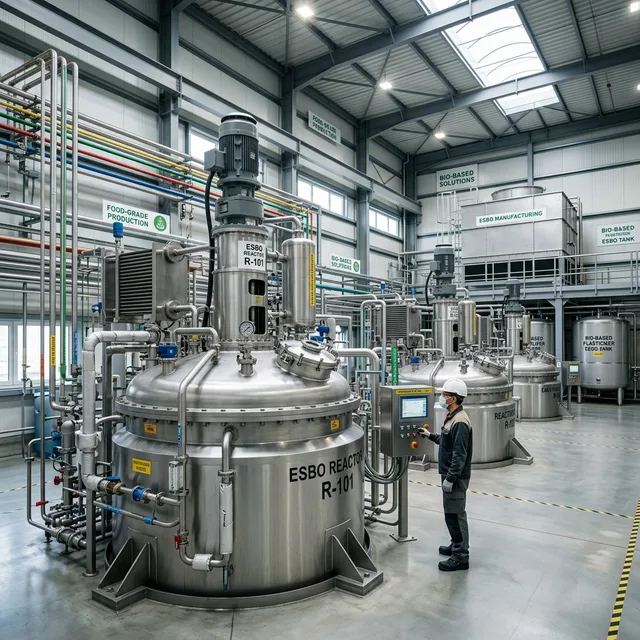
Chemical Manufacturing (Epoxidation)
Acts as the primary oxidizing agent to convert raw soybean oil into Epoxidized Soybean Oil (ESBO)—a crucial, non-toxic plasticizer used in flexible PVC for medical tubing and food wraps.
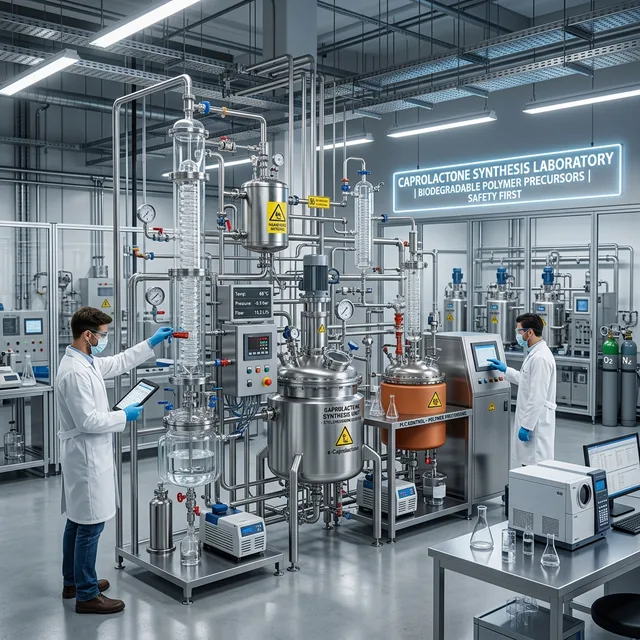
Caprolactone Synthesis
An indispensable reagent in the Baeyer-Villiger oxidation process, converting ketones into caprolactone monomers for biodegradable plastics and specialized polyurethanes.
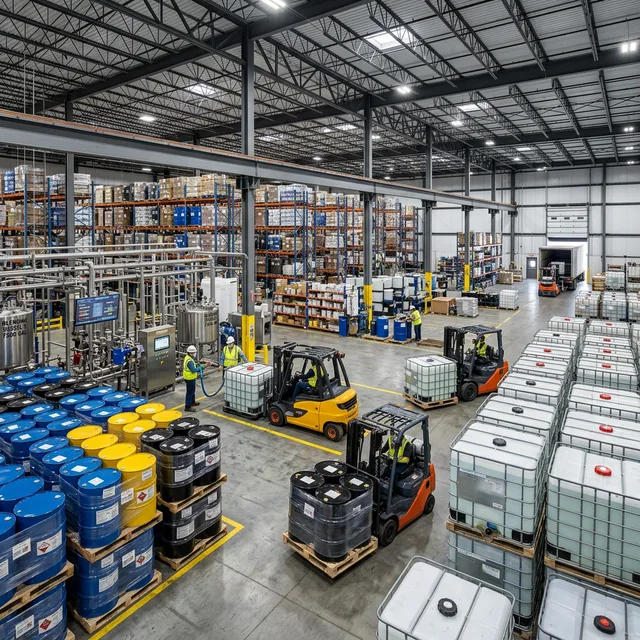
Toll Blending & Repackaging
Shipped in bulk to maximize freight economics. Regional chemical formulators dilute this concentrate with RO water and proprietary stabilizers to manufacture localized 5% or 15% W/W commercial formulas.
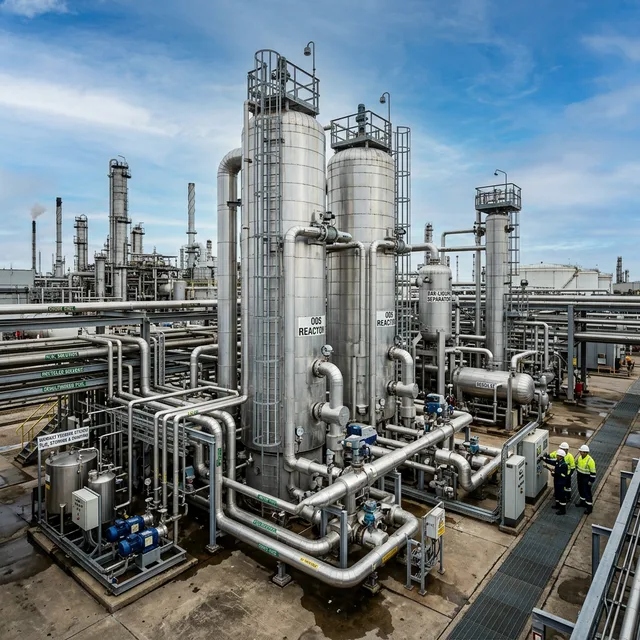
Oxidative Desulfurization (ODS)
Aggressively oxidizes odorous sulfur compounds in petrochemicals and paper mill byproducts (e.g., Crude Sulphated Turpentine) allowing for easy extraction.
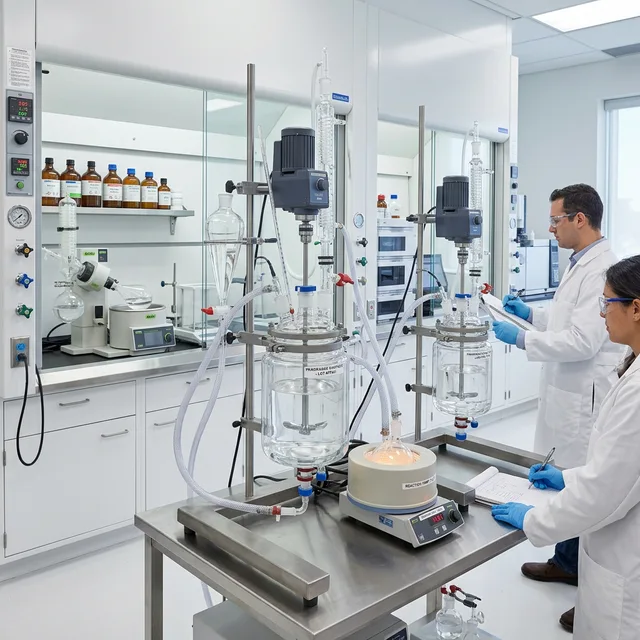
Fragrance & Pharma Precursors
Used in the Prilezhaev reaction to epoxidize purified alpha-pinene, creating high-value chemical intermediates for artificial fragrances and pharmaceutical ingredients.
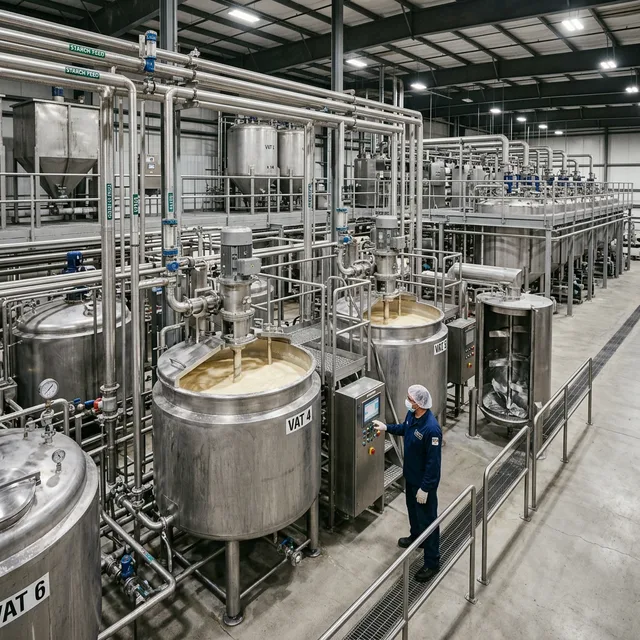
Food-Grade Starch Modification
Used as an industrial bleaching and oxidizing agent to modify native plant starches (corn, potato), creating oxidized starches used as thickeners, stabilizers, and clear coatings.
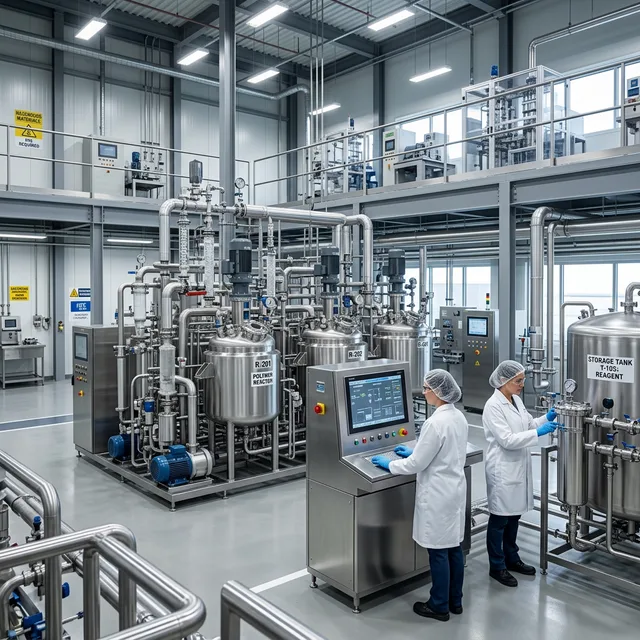
Epoxy Resin Manufacturing
Used to synthesize cycloaliphatic epoxy resins, highly valued for UV resistance and electrical insulation properties in electronics manufacturing.
Handling & Safety
- Maximum Handling Risk: Represents the absolute highest handling risk within the commercial PAA range. Strictly requires specialized PPE, permanent engineered facility controls, and licensed, certified hazardous transport.
- Regulatory Licensing: Ships under strict regulatory constraints; receiving parties must legally possess the specialized facilities, knowledge, and permits required to handle highly concentrated oxidizers.
- Segregation: Must be completely physically segregated from all organic and reducing materials, with robust, legally compliant emergency response plans permanently implemented on-site.
Storage & Stability
- Must be stored under tightly controlled environmental conditions within specialized tanks outfitted with actively monitored temperature gauges.
- Exhibits a significantly shorter shelf life and much higher sensitivity to contamination and heat compared to lower concentrations. Adhering strictly to supplier batch guidance and expiry dates is both legally and physically imperative.
Fulfillment
Packaging Options
We offer a versatile range of industrial packaging formats to suit both small-scale precise dosing and large-scale bulk plant operations.